

Security Technology
Body-worn cameras for security accountability and digital evidence
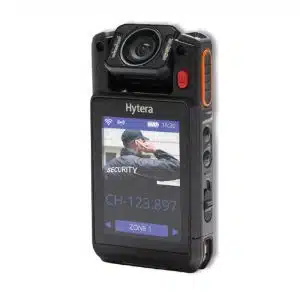
Body-worn cameras for security accountability and digital evidence give security teams a clear record of what happened on a property. These devices record video and audio from the officer’s point of view. As a result, managers can review an incident with better context than a written report alone.
Security officers often work under pressure. For example, they may refuse entry, deal with visitor complaints or respond to alarms. During those moments, body-worn cameras can protect the officer, the client and the public.
Modern units may include HD video, night vision, clear audio, GPS tracking and secure storage. In our view, these cameras are practical tools for better reporting, safer decisions and proper accountability.
What body-worn cameras record
A body-worn camera is a small device worn by a security officer, usually on the chest or shoulder. From that position, it records what the officer sees and hears.
Fixed CCTV records one set area. By contrast, a body-worn camera moves with the officer. This makes it useful during patrols, escort duties, alarm responses, access checks and incident reviews.
For wider property protection, body-worn cameras can assist commercial security teams using PSIRA certified guards in offices, hotels, shops, estates and industrial properties.
Access control accountability
Access control manages who enters and leaves a property. Entry records may include visitors, contractors, staff, tenants, delivery drivers and service providers.
Body-worn cameras do not replace visitor books, access cards, biometric readers or boom gates. Instead, they add a clear record of the interaction. When a guard refuses entry or confirms a delivery, the camera can record the exchange.
Disputes are easier to review when video and audio are available. For instance, footage can assist with refused entry, delivery disputes, contractor movement or visitor behaviour.
Smart MDM and digital evidence
Body-worn camera footage has greater value when it is stored and managed correctly. Smart Mobile Device Management, or Smart MDM, allows teams to collect footage from recording devices and move it into a review process.
After a shift, officers can place devices into a Multi-Unit Charger. Approved users can then review footage through a PC interface. This method is safer than copying files by hand.
Digital Evidence Management also allows teams to tag footage, search by keyword and control who may view or export recordings. Recorded material may include staff, visitors, vehicles and private property, so access must be controlled.
Privacy and responsible use
Careful use matters with body-worn cameras. Recording should not happen in every place or during every interaction. Clear rules are important because footage may include personal information.
- Set clear rules for when recording may start and stop.
- Tell people about recording where required.
- Avoid private areas unless there is a valid reason.
- Limit footage access to approved users.
- Use secure systems to store, review and export files.
Frequently asked questions
Can body-worn cameras replace CCTV?
No. These cameras add mobile recording for patrols, access points and areas where fixed CCTV is not practical.
Why is evidence management important?
It keeps footage organised and secure. The system also controls who may view, search or share recordings.
Conclusion
Body-worn cameras improve accountability, reduce evidence gaps and give security managers a clearer incident record. For the best results, officers must be trained, rules must be clear and footage must be handled securely.
For more information about security guarding with body-worn cameras, contact Mtunzini Group.
Email: info@mtunzinigroup.com