
Security Guard Accountability Cape Town

Security Guard Accountability: The Difference Between Standing Watch and Standing Out in Cape Town
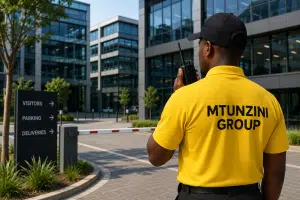
Security guard accountability Cape Town, security guard on patrol duties.

Security guard accountability determines how professionally officers protect people, property, assets, and daily operations across Cape Town. During each shift, clients expect disciplined officers who follow instructions, record activities, and respond appropriately.

Across security assignments, accountable conduct creates consistent guarding standards and measurable officer performance. Each officer must understand assigned duties and accept responsibility for every operational decision.

Why Security Guard Accountability Matters

Security guard accountability promotes professional conduct, accurate reporting, and consistent performance across every assignment. At access-control level, guards manage visitors, contractors, employees, deliveries, and restricted areas.

During patrol duties, officers inspect vulnerable areas and record anything requiring management attention. Their actions influence business continuity, staff confidence, property protection, and developing risk management.

However, accountability extends beyond completing routine tasks during scheduled working hours. At incident-reporting level, officers must explain decisions, record deviations, and follow approved procedures.

This process allows managers to correct weaknesses before avoidable security exposure develops.

Standing Watch Versus Proactive Protection

Standing at an entrance does not provide complete protection for people, property, or business activities. Instead, security guards must observe behaviour, inspect vulnerable areas, and report unusual activity immediately.

From the perimeter inward, officers should check entrances, boundaries, hazards, visitors, and contractor movements. In practice, proactive officers act before minor concerns develop into serious security incidents.

When conditions change, officers communicate with supervisors and follow the correct escalation procedures. As a result, this approach reduces theft, vandalism, trespassing, disruption, and unauthorised entry.

Accountability Across Different Security Assignments

Every assignment requires written instructions covering patrols, access duties, deliveries, contractors, incidents, and emergency procedures. At post level, guards must understand their responsibilities before beginning each shift.

Through patrol verification, completed duties can be recorded and reviewed throughout each assigned shift. Meanwhile, reports provide evidence of inspections, incidents, access activity, and operational decisions.

Commercial properties, hotels, residential estates, and office parks each present different operating conditions. However, accountable conduct remains essential across every environment.

Officers must follow site instructions, communicate developments, and record actions accurately. Security procedures should reflect each property’s activities, operating hours, location, and risk profile.

Measurable Duties and Accurate Reporting

Accountability becomes measurable when managers can confirm attendance, patrol completion, reports, access records, and incident responses. Without recorded evidence, completed duties remain difficult to verify.

At reporting level, guards should record times, locations, observations, actions, and escalation details. Accurate records allow supervisors to identify recurring problems and procedural failures.

Electronic occurrence books and digital patrol systems create time-stamped records throughout each shift. These records also improve handovers between officers, supervisors, and client representatives.

Training, Supervision, and Regulatory Compliance

Professional conduct depends on training, supervision, current instructions, and regular performance assessments. In addition, ongoing training develops communication, observation, conflict management, emergency response, and ethical decision-making skills.

Under active supervision, managers should inspect posts, review reports, and assess recorded patrol activity. Supervisors should also address repeated errors before they become accepted working habits.

Furthermore, businesses should appoint PSiRA-registered security guards through a compliant security provider. At compliance level, registrations, certificates, risk assessments, and deployment records must remain current.

Security Guard Accountability Builds Professional Value

Security guard accountability turns guarding personnel into active participants within a wider risk management programme. Ultimately, officers stand out through discipline, sound judgement, accurate communication, and consistent operational action.

Within this security model, accountable personnel protect operations through carefully managed procedures. Effective security guard services in Cape Town connect officer duties with each property’s identified risks.

Mtunzini Group provides tailored security solutions around each organisation’s risks, operations, and protection priorities. Contact info@mtunzinigroup.com to discuss accountable guarding aligned with your property’s operational risks.

Read More

Visible Private Security Guards

Why Visible Private Security Guards in Cape Town Change Behaviour on Your Property

Visible private security guards on duty in Cape Town

Visible private security guards influence how people behave from the moment they enter a property. Uniformed officers, cameras, lighting, patrols, warning signs, and technology-backed supervision create an immediate sense of control.

This is particularly relevant for mixed-use and commercial properties in Cape Town CBD, where high visitor volumes and continuous movement place additional pressure on access control, daily operations, and real-time risk detection.

At access-control level, guard presence sends a clear message: rules apply, activity is monitored, and misconduct may be addressed without delay.

First, people often adjust their actions when they feel observed. Visible PSIRA certified private security guards do more than respond to crime. They encourage rule compliance, order, and personal accountability.

In homes, offices, shops, warehouses, complexes, and parking areas, people are more likely to think before acting carelessly when officers are present. However, visible guarding becomes more effective when it is supported by patrol verification, incident reporting, access-control monitoring, and real-time operational intelligence.

What Are Visible Private Security Guards?

Visible private security guards managing access control in Cape Town

Visible private security guards are officers and security measures people can easily notice. These may include uniformed guards, CCTV cameras, patrol vehicles, lighting, access-point officers, and warning signs.

Together, these features show that the property is monitored and professionally managed. When combined with AI-supported surveillance, automated alerts, and operational records, visible guarding moves beyond presence and becomes part of proactive risk management.

This matters because many incidents occur when people believe no one is watching. Clear security presence reduces that opening, while integrated technology improves early warning and accountability.

Residential and Commercial Settings

In residential areas, visible guarding may include guards at gates, cameras near entrances, and lighting around shared spaces.

In commercial properties, it may include reception guards, CCTV systems, patrols, access-control monitoring, and reporting signs. From the entrance inward, these measures remind visitors, staff, and tenants that supervision is active.

For example, commercial properties in Claremont and business environments in Century City often manage significant staff, visitor, and contractor movement, making visible guarding an important part of orderly daily operations and proactive risk detection.

Visible Guards vs Hidden Security Systems

Hidden systems work in the background. These may include alarm sensors, access-control readers, automated threat alerts, AI-driven surveillance tools, or internal detection systems. They are valuable, although they may not change behaviour before an incident.

By comparison, visible guards work earlier. They influence conduct before action is taken because people can see officers, cameras, and patrol routines. When visible guards are connected to real-time intelligence, they are not limited to reacting after a problem; they can act on warning signs before risk escalates.

The Psychology Behind Guard Presence

Human behaviour changes when people feel observed. Visible private security guards create awareness that actions may be noticed, recorded, questioned, or reported.

Under active supervision, this awareness encourages better decisions and discourages careless, disruptive, or criminal conduct.

Operationally, guard presence works through risk awareness, social pressure, and self-control. Even rule-abiding people often act with more care when officers are present. When guard activity is supported by behavioural analytics, CCTV review, and patrol records, that awareness becomes measurable and easier to manage.

Observation Changes Decisions

When people feel watched, they consider possible outcomes before they act.

At reception and entry-point level, littering, trespassing, disorderly conduct, tailgating, and parking abuse may decrease when officers are present. Through access-control monitoring and incident reporting, repeated conduct patterns can also be identified before they become bigger operational problems.

Risk Perception and Consequences

Visible officers increase the perceived chance of being caught. People know cameras may record movement and guards may respond quickly.

This awareness does not have to be extreme. Even a mild sense of supervision can change behaviour. With automated alerts and real-time intelligence, the perceived risk becomes more practical because guards can receive faster information about suspicious movement, access breaches, or unusual activity.

Visible Private Security Guards Deter Crime

Visible private security guards can reduce crime by making access harder and detection more likely.

Through patrol verification, officer presence, cameras, access-control monitoring, and regular patrols, security risk becomes clear. When offenders see active guarding, they may move away rather than test the property.

In practice, this approach can reduce theft, vandalism, trespassing, and disorder when paired with trained officers, proper supervision, and intelligence-led technology that detects risk before it escalates.

Why Opportunistic Crime Drops

Opportunistic crime often occurs when access appears easy. Guards, patrols, cameras, lighting, automated detection, and access controls reduce that opening by making unlawful action more difficult and easier to detect.

Criminology Theories That Explain Guard Presence

Visible guarding connects to established criminology ideas. These theories explain why people often behave better in monitored spaces.

For property managers, security is not only about response. It also shapes conduct before incidents occur. Under an intelligence-led model, guarding also creates useful operational information from daily movement, access activity, patrol findings, and reported incidents.

Routine Activity Theory

Routine Activity Theory explains that crime may occur when an offender finds a target without a capable guardian present. Security officers, CCTV cameras, patrols, access checks, and automated alerts interrupt those conditions.

Broken Windows Theory

Broken Windows Theory suggests that disorder can invite further misconduct. A clean, monitored, and well-managed environment sends a different message. Visible guards show that the property is supervised and cared for, while consistent reporting allows recurring disorder to be recorded and corrected.

Natural Surveillance and Defensible Space

Natural surveillance means arranging spaces so people feel observed. Lighting, open layouts, camera placement, patrols, and access-control points all increase accountability. Within this layered security model, guard presence, access-point management, CCTV monitoring, and real-time reporting create safer environments.

How Visible Private Security Guards Affect Law-Abiding People

Visible private security guards influence everyone, not only offenders. Law-abiding people also tend to act with more care when officers are present.

At conduct-management level, visible guarding encourages respect for rules and shows that the property has clear operating standards.

This can be particularly noticeable in high-traffic residential and mixed-use areas such as Sea Point, where visitor access, parking management, and common-area conduct require continuous supervision supported by clear reporting and access-control discipline.

Rule Compliance

Parking control, visitor sign-in, access procedures, waste rules, and common-area standards are often followed more carefully when security is present and when repeated breaches are recorded through daily operational reporting.

Security Measures That Influence Behaviour

Uniformed Guards

Uniformed guards show authority and order. Their presence can change behaviour and allow quick action when incidents occur. When officers receive real-time information from cameras, access-control points, and patrol systems, their role becomes more proactive.

Cameras and Warning Signs

Cameras and signs tell people that actions may be recorded. This awareness can reduce careless or unlawful behaviour quickly. AI-supported camera analytics and automated alerts can also draw attention to unusual movement, loitering, or activity outside normal patterns.

Lighting and Patrols

Good lighting and regular patrols reduce hiding places and blind spots. This encourages responsible conduct and makes suspicious movement easier to detect. Through patrol verification, owners and managers can also confirm whether key areas were checked as required.

Operational Records

Attendance checks, patrol records, supervisor visits, access-control activity, and incident reports create accountability around daily guarding activity. These records also turn guarding into a measurable process instead of a passive security presence.

Limits of Visible Private Security Guards in Cape Town

Visible private security guards work best as part of a complete security plan. They cannot replace alarms, access-control systems, incident reporting, supervision, automation, or management oversight.

High-risk properties may require alarms, restricted access, CCTV monitoring, visitor logs, patrol points, automated threat alerts, behavioural analytics, and emergency response procedures.

How Property Owners Can Apply Visible Private Security Guards

Planning improves the effect of visible guarding. Guards, cameras, lighting, signs, access-control systems, and monitoring tools should be placed where they can influence conduct and detect risk.

Key areas include entrances, reception areas, loading points, parking areas, blind spots, and other high-risk zones.

Guards should work from clear post orders, escalation steps, visitor procedures, patrol duties, reporting requirements, and real-time communication channels so that daily activity can be managed rather than left to assumption.

Key Benefits of Visible Private Security Guards for Property Owners

Visible private security guards provide long-term value by reducing incidents, improving conduct, supporting proactive risk detection, and protecting property reputation.

Safe and orderly properties attract residents, tenants, customers, and staff.

Over time, professional security builds confidence and encourages responsible behaviour across the property. When guarding is supported by technology, reporting, and active supervision, owners gain a clearer view of risk patterns and daily security performance.

Conclusion

Visible private security guards shape behaviour before incidents occur. Their presence affects how people enter, move, park, interact, and respond to rules.

For property owners and managers, visible guarding forms a practical part of crime prevention, conduct management, daily operational discipline, and proactive risk management.

Whether managing an office building in Cape Town CBD or overseeing a residential or commercial property elsewhere in the city, visible private security guards contribute to more controlled environments and better day-to-day compliance with property rules and procedures.

Mtunzini Group provides PSIRA-registered private security services for properties that require trained officers, active supervision, patrol accountability, technology-supported reporting, and professional guarding standards.

Learn More About Security Guarding Services
Email Mtunzini Group

Frequently Asked Questions

How Does Proactive Risk Management Improve Security Outcomes?

Proactive risk management identifies vulnerabilities before incidents occur. Regular reviews of access points, visitor procedures, patrol activity, incident reports, and environmental conditions allow property owners to address risk early.

Why Are Security Risk Assessments Important?

Security risk assessments provide a systematic review of threats, vulnerabilities, and current protective measures. They allow property owners and managers to identify coverage gaps and prioritise improvements according to the property risk profile.

How Should Property Owners Balance Technology and Security Personnel?

The correct balance depends on property size, exposure, operating hours, and occupancy patterns. Technology extends monitoring capability, while security personnel assess situations, apply judgement, and respond when incidents occur.

What Role Does Supervision Play in Effective Guarding?

Visible guarding is most effective when officers work under regular supervision and clear operating procedures. Inspections, attendance verification, incident reviews, technology checks, and performance reviews maintain consistency across daily activities.

Why Should Visible Guarding Be Part of a Layered Security Strategy?

Visible guarding delivers greater value when combined with access control systems, CCTV monitoring, lighting, visitor procedures, automated alerts, patrol verification, and incident reporting. From an operational perspective, each layer adds a different form of protection and oversight.

Mtunzini Group

PSIRA Registered | Established 2010 | Serving Cape Town Businesses

“`

Read More
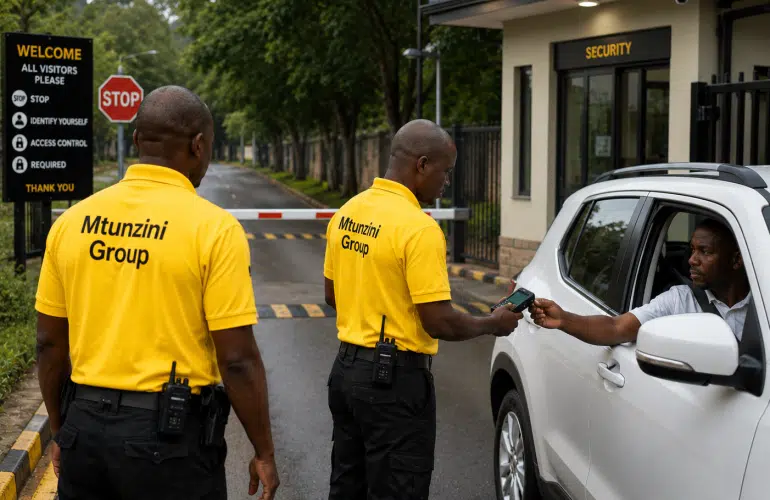
Two security guards in yellow MTunzini Group shirts stop a white SUV at a gated checkpoint, one hands a device to the driver as the barrier lowers.

Commercial Security Drift Cape Town

Commercial Security Drift: The Hidden Risk Facing Commercial Properties

Commercial Security Drift Cape Town can weaken a property before anyone sees a clear security problem. Small daily changes can create gaps in access control, visitor checks, patrols, reports, and response steps.

For example, a building may look secure from the outside. However, staff may skip checks, doors may stay open too long, and reports may receive little attention. As a result, risk can grow quietly.

Therefore, property managers need regular reviews to keep security standards aligned with daily activity.

What Is Commercial Security Drift in Cape Town?

Commercial Security Drift creeps in without being noticed.

Commercial Security Drift in Cape Town occurs when daily security practices move away from the original standards set for a commercial property.

For instance, doors may be used poorly, visitor checks may become uneven, reports may go unread, and quick fixes may become normal routine.

Most commercial buildings already have basic security measures. Managers identify access points, assign guards, set patrol routes, and create reporting steps. However, risk grows when teams stop checking whether those measures still match daily operations.

How Commercial Security Drift in Cape Town Develops Over Time

One reason Commercial Security Drift in Cape Town goes unnoticed is the belief that a familiar property faces little risk.

Commercial spaces change often. Tenants move, delivery areas get busier, staff routines shift, and entrances serve new purposes. As a result, quick fixes may stay in place for too long.

In addition, security teams may file reports without management review. Maintenance teams may delay repairs. Guards may miss patrols during busy periods. Each issue looks small. Yet, the combined effect can weaken the full security plan.

Common Signs of Commercial Security Drift in Cape Town

Security drift often starts with simple warning signs. Doors may fail to close properly. Visitor checks may vary from one guard to another. Guard posts may become too informal. Delivery entrances may remain open for convenience.

Over time, poor oversight allows Commercial Security Drift in Cape Town to become part of normal operations.

Also, convenience can replace discipline. Employees may hold doors open for unknown people. Contractors may enter without proper checks. Security concerns may stay unresolved for weeks.

Eventually, these problems can build up. They rarely appear as one major failure. Instead, several small weaknesses may expose the property to greater risk.

Preventing Commercial Security Drift in Cape Town Through Proactive Management

Outdated systems can make Commercial Security Drift in Cape Town harder to detect. Older CCTV cameras may produce unclear footage. Poorly maintained alarms may slow response efforts.

Modern CCTV, access control, alarm monitoring, patrol tracking, and digital reporting can improve accountability. However, technology still needs active management, regular checks, and clear procedures.

For this reason, management should review reports, act on recommendations, and update procedures after major operational changes. Property managers should speak with tenants and security teams often. This helps them identify concerns early.

Why Access Control Is Often the First Warning Sign

Commercial Security Drift can be avoided by following set procedures.

Access control systems only work with consistent procedures. Swipe cards, key fobs, biometric systems, PIN codes, and visitor passes lose value when people bypass the rules.

For example, tailgating happens when an unauthorised person follows an authorised person through a secured entrance. This often occurs after someone holds the door open or skips a check.

As a result, access control failures can point to wider operational problems. Weak entry control may signal weak patrols, poor reporting, or limited supervision.

Why PSIRA-Certified Guards Matter

Businesses should confirm that their security provider uses PSIRA-certified guards. This helps ensure that officers meet recognised industry requirements and hold proper registration for security work in South Africa.

In addition, a compliant provider gives property managers stronger accountability, better supervision, and more reliable service delivery.

Why Regular Security Assessments Matter

Security risks change as buildings, tenants, and operations change. Therefore, regular assessments help managers find weak points before they lead to serious incidents.

A professional assessment should review fencing, lighting, CCTV coverage, parking areas, delivery points, entry procedures, guard performance, reporting standards, and incident patterns.

These reviews give management clear direction. They can guide improvements, technology upgrades, and resource planning.

FAQs

What are the early warning signs of security drift?

Early signs include unlocked doors, inconsistent visitor checks, missed patrols, poor incident reporting, and unresolved security concerns.

Why do commercial properties become vulnerable over time?

New tenants, busy delivery areas, staff turnover, and changing routines can weaken security when teams stop reviewing procedures.

Can security guards prevent security drift on their own?

No. Guards need clear procedures, supervision, reporting systems, and management support to stay effective.

How often should a commercial security assessment be done?

Managers should schedule an assessment after tenant changes, incidents, access control changes, or major operational updates.

Finding the Right Security Services for Your Commercial Property

By recognising the early warning signs of Commercial Security Drift in Cape Town, businesses can address weaknesses early and maintain safer commercial environments.

Protecting clients, tenants, employees, and visitors requires more than guards at entrances. Instead, strong commercial security needs active management, regular assessments, clear reporting, and quick action.

Regular reviews, accountable security personnel, and responsive management practices can reduce vulnerabilities. They also help commercial properties maintain their intended security standards.

Learn more about our commercial security guarding services in Cape Town and how Mtunzini Group helps businesses strengthen their security operations.

For a professional security assessment, contact Mtunzini Group at info@mtunzinigroup.com.

Read More
Commercial building Security Cape Town

Commercial Building Security Cape Town

Commercial Building Security Cape Town


Commercial Building Security in Cape Town

Commercial Building Security in Cape Town offers much more than a guard stationed at the front door. Whether a building is an office tower, retail property, or mixed-use development, commercial building security protect tenants, vendors, customers, visitors, and daily building operations.

In addition, a strong commercial security plan helps property managers reduce risk, improve access control, and respond to issues before they become costly problems. As a result, tenants feel safer and daily operations run more smoothly.

This guide explains the main parts of Commercial Building Security in Cape Town in simple terms.

The Risk of Complacency in Commercial Buildings

A common mistake is assuming that a quiet building is a secure building. However, when there are no break-ins, theft incidents, or emergencies, everything may only seem under control. In reality, many problems develop slowly and only become clear once something goes wrong.

Security weaknesses often begin with small issues, such as:

  • Doors that no longer latch or close correctly.
  • Missing or damaged exit signage.
  • Delivery rooms or loading areas left unmonitored.
  • Overflowing garbage rooms.
  • Secondary entrances left unsecured.

On their own, these problems may not appear urgent. Over time, however, they can create serious risk. For example, a door that fails to latch may go unnoticed for weeks. One evening, it could stay slightly open and allow unauthorised entry from the street.

Therefore, a proactive Commercial Building Security in Cape Town plan identifies these issues early and deals with them before they turn into larger incidents.

A guard can help by conducting regular patrols, checking access points, reporting maintenance concerns, monitoring shared areas, and maintaining a consistent presence throughout the property.

Common Commercial Building Security Cape Town Risks

Many security problems start small. For example, a door may not close properly, a parking area may be poorly lit, or a delivery zone may be left unchecked.

However, these gaps can make unwanted activity easier. As a result, small problems can become bigger issues.

Common risks include:

  • Unsecured entrances and exits
  • Poor lighting in parking areas
  • Vacant offices or unused floors
  • Unmonitored loading bays
  • Shared corridors and stairwells
  • Reception areas without access checks
  • After-hours access points

For this reason, Commercial Building Security in Cape Town should be built around prevention, access control, visibility, and clear reporting.

Why Commercial Building Security Cape Town Is Not One-Size-Fits-All

Every commercial property is different. For example, an office tower in the Cape Town City Bowl has different risks from a business park in Century City.

Also, a medical building in Claremont may need different access checks from an office in Newlands. Therefore, each building should be reviewed on its own.

The review can include entrances, exits, parking areas, vacant spaces, visitor flow, contractor movement, and daily activity. This approach keeps the security plan practical and relevant.

Commercial Building Security Cape Town for Vacant Properties

Vacant buildings need extra care. They may attract trespassing, vandalism, illegal occupation, cable theft, metal theft, and property damage.

In addition, these risks often increase at night, over weekends, during holidays, and during long vacancy periods. Therefore, regular checks can help detect problems early and prevent damage before it spreads.

Vacant Building Security Measures

  • Perimeter patrols
  • Entry point checks
  • After-hours inspections
  • Alarm response procedures
  • Checks of high-risk areas
  • Incident reports
  • Early detection of damage or suspicious activity

Parking Area Commercial Building Security Cape Town

Parking areas are high-risk zones. They are often the first and last places used by tenants, staff, clients, and visitors.

As a result, weak parking security can affect how safe the entire property feels. For example, poor lighting can make people feel unsafe. Also, weak access control can make vehicle incidents more likely.

Parking Security Risks

  • Vehicle break-ins
  • Loitering
  • Suspicious activity
  • Poor lighting
  • After-hours incidents
  • Unauthorised access

Parking Area Security Measures

  • Visible patrols
  • Vehicle access checks
  • CCTV observation where available
  • Checks of dark areas
  • After-hours patrols
  • Incident reporting

Effective Commercial Building Security in Cape Town should include parking area checks, visible patrols, access control, and incident reporting.

Seasonal Commercial Building Security Cape Town

Security risks can change during the year. For example, winter brings shorter days, and rain can reduce foot traffic.

In addition, holidays can leave buildings quieter than usual. This can create more risk in vacant offices and low-traffic areas.

Meanwhile, darker evenings can affect parking areas, entrances, walkways, and loading zones. Therefore, seasonal checks help property managers adjust security before risks increase.

Seasonal Security Measures

  • Extra after-hours patrols
  • More parking area checks
  • Vacant area inspections
  • Lighting risk checks
  • Loading zone checks
  • Secondary entrance checks

Commercial Building Security Cape Town Business Areas

Cape Town City Bowl

Buildings in the Cape Town City Bowl often have heavy foot traffic. They may also have many deliveries, visitors, and after-hours access points. Because of this, access checks and visible patrols can support better control.

Century City

Century City has business parks and mixed-use properties. These buildings often have large parking areas, shared spaces, and several access points. As a result, clear visitor rules and parking checks are important.

Claremont and Newlands

Claremont and Newlands include offices, medical buildings, schools, retail spaces, and multi-tenant properties. In these areas, concierge security, access checks, contractor management, and parking patrols can create a safer daily environment.

When to Review Commercial Building Security Cape Town

A security review can reveal risks that are easy to miss during normal business hours. For example, tenants may report safety concerns. Also, small incidents may happen more often in parking areas or loading zones.

Common warning signs include:

  • Frequent unauthorised visitors
  • Tenant safety concerns
  • Vehicle incidents in parking areas
  • Unsecured loading zones
  • Vacant sections with little attention
  • Inconsistent access rules
  • Late maintenance discovery
  • After-hours incidents or alarms

What Commercial Security Guards Do

Commercial guards support daily safety across the property. They also help keep movement organised. For example, they may check visitors, watch entrances, patrol parking areas, and report problems.

Their duties can include:

  • Manage visitor access
  • Monitor entrances and exits
  • Conduct patrols
  • Check parking areas
  • Inspect vacant sections
  • Monitor CCTV systems where available
  • Respond to incidents
  • Report maintenance concerns
  • Communicate with property managers

Overall, Commercial Building Security in Cape Town works best when guards understand the layout, risks, tenant movement, and operating hours of the property.

Concierge Security for Commercial Buildings

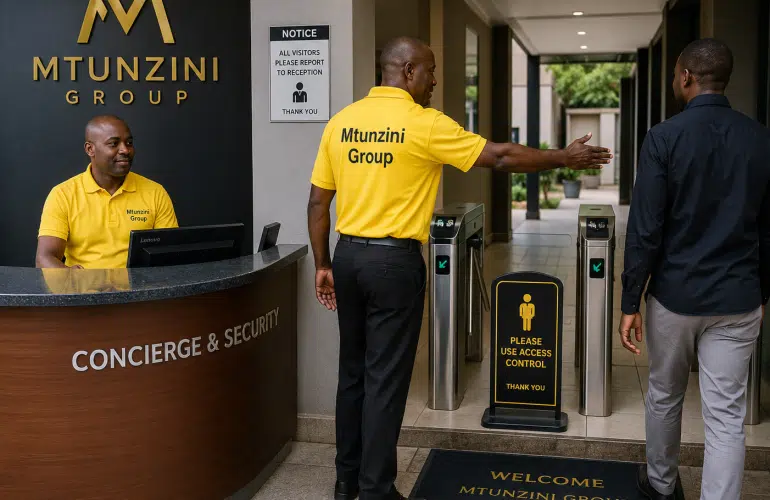
Concierge security combines front-desk support with building security. For example, officers may greet visitors, manage sign-ins, direct contractors, coordinate deliveries, monitor access systems, and receive parcels.

They may also report concerns before they become larger issues. As a result, the building can feel safer, more professional, and better organised.

Why PSIRA Registration Matters

In South Africa, PSIRA registration is important when choosing a security provider. PSIRA stands for the Private Security Industry Regulatory Authority.

It regulates the private security industry. It also sets rules for registration, conduct, and accountability. Therefore, PSIRA registration helps show that a provider follows industry rules.

PSIRA Compliance Can Include

  • Registered security personnel
  • Professional conduct rules
  • Industry accountability
  • Documented procedures
  • Regulatory oversight

Frequently Asked Questions About Commercial Building Security Cape Town

What is Commercial Building Security Cape Town?

Commercial Building Security in Cape Town covers security services for office buildings, business parks, retail centres, mixed-use properties, vacant buildings, and parking areas.

How does commercial building security improve tenant experience?

It creates a safer and more organised environment. Guards check entry points, respond to concerns, and monitor shared areas. In addition, a visible security presence can improve confidence among tenants and visitors.

Is concierge security part of commercial building security?

Yes. Concierge security combines reception duties with visitor access checks and front-desk security. Therefore, it can support both safety and professional building management.

How often should a commercial building security plan be reviewed?

A plan should be reviewed when occupancy, operating hours, tenant activity, layout, or risk levels change. In addition, seasonal reviews can help identify new risks.

Can commercial building security reduce incidents over time?

Yes. Patrols, access checks, guard presence, and early action can reduce trespassing, vandalism, disturbances, and maintenance issues.

What is the difference between generic guarding and a tailored security plan?

Generic guarding uses the same process across many properties. A tailored plan considers the building layout, access points, parking areas, vacant spaces, and daily activity.

How much does commercial building security cost?

Pricing depends on property size, operating hours, risk level, guard duties, parking patrols, vacant area checks, and concierge security.

Contact Details

For more information, Learn more , or contact us on info@mtunzinigroupo.com

Read More
Access Contol Security Guards Cape Town

Access Control Security Guards

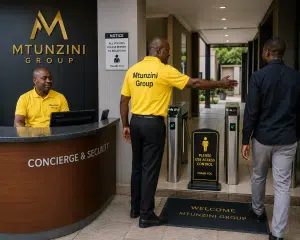
Access control security guards Cape Town: duties and responsibilities

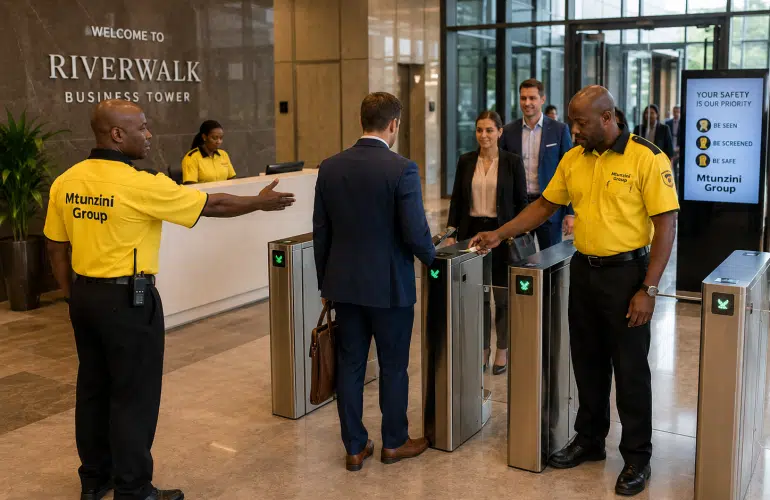
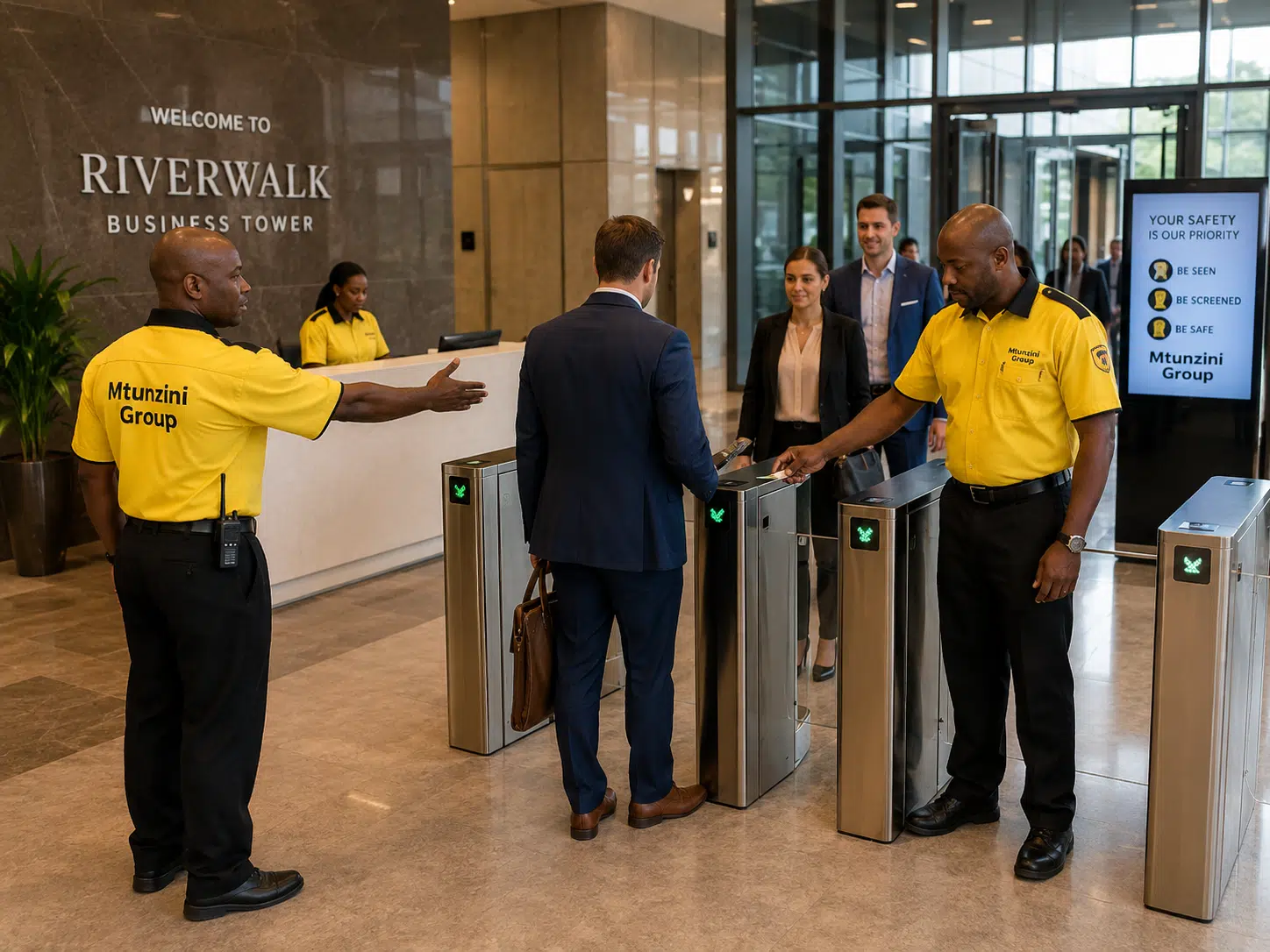
Access control security guards Cape Town checking visitor entry

Access control security guards Cape Town play a central role in safe business operations. Across the city, businesses, estates, schools, hospitals, warehouses and commercial properties use trained guards to manage entry, exit and movement across their premises.

An access control security guard is often the first point of contact for visitors, staff and contractors. The role goes beyond standing at a gate or reception desk. It includes identity checks, movement records, activity monitoring and fast action when behaviour appears unusual.

At Mtunzini Group, access control forms part of safer, more organised environments for clients, employees, residents and visitors.

What access control security guards Cape Town do

An access control security guard manages entry to a building, property or restricted area. In practice, this means allowing authorised people and vehicles to enter while blocking unauthorised access.

Firstly, the guard confirms who the person is and why they are present. This may involve checking an ID document, access card, visitor register, appointment record or company instruction.

In addition, many properties use CCTV, biometric systems, radios and digital visitor logs. Even with technology in place, the guard remains essential for decisions, questions, escalation and risk detection.

Where access control security guards Cape Town work

Access control guards work across office parks, gated communities, apartment blocks, construction areas, schools, healthcare facilities, factories, warehouses, shopping centres and parking zones.

Each environment carries different risks. For example, a residential estate may use visitor and vehicle checks. An industrial property may apply contractor screening, delivery checks and safety rules. Meanwhile, an office building may use staff access cards, visitor badges and reception steps.

Key duties of access control security guards Cape Town

Daily duties include monitoring entrances and exits, checking identification, verifying visitors, approving or denying access and recording visitor details.

They may also issue temporary passes, maintain accurate security logs, report suspicious behaviour and respond to alarms. As a result, management receives a clear record of who entered the premises, when they arrived and why they were there.

These tasks may appear routine. However, they are essential. One missed detail, incorrect entry or ignored warning sign can create a serious security risk.

Additional responsibilities on the property

Depending on client instructions, access control guards may patrol assigned areas, monitor CCTV cameras, screen vehicles or bags, manage deliveries and report safety hazards.

During incidents, they may guide visitors, communicate with supervisors, assist with evacuation steps and follow emergency procedures.

In some positions, access control is only one part of a wider guarding role. For this reason, guards must remain alert, disciplined and ready to respond to changing conditions during a shift.

Skills for access control security guards Cape Town

A professional access control guard communicates clearly with visitors, staff, contractors, residents, delivery drivers, management and other security team members throughout the day.

Attention to detail is also important. Guards must identify expired access cards, incorrect information, unusual behaviour or suspicious vehicle movement.

Conflict management is another valuable skill. At times, a person may become upset when denied entry or asked to follow rules. In these moments, a professional guard stays calm, respectful and firm.

Situational awareness is equally important. By observing vehicle movement, visitor behaviour and activity near entry points, guards can identify risks early.

Why access control matters

Access control protects people, property, information and daily operations. It reduces the chance of trespassing, theft, unauthorised entry and safety incidents.

Overall, effective access control creates a safer environment and gives businesses better oversight of movement on their premises.

Choose Mtunzini Group for access control security in Cape Town

For access control security guards Cape Town businesses can trust, Mtunzini Group offers professional guarding for commercial buildings, residential estates, industrial properties and construction areas.

The team applies clear procedures, disciplined conduct and quick decision-making to protect people, property and daily operations.


Contact Mtunzini Group

Read More

Apartment Block Security Cape Town

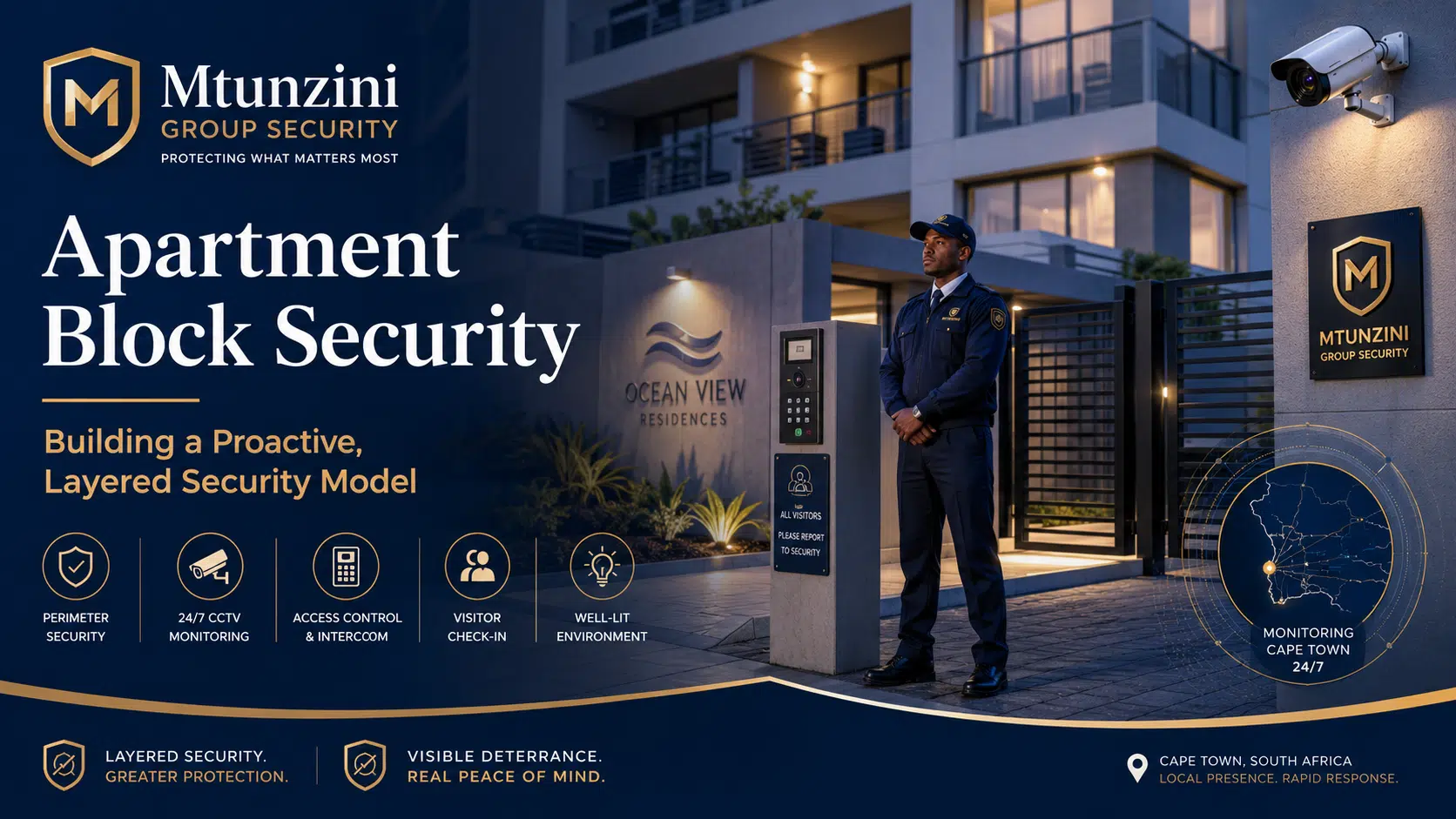
Apartment Block Security Cape Town: Building a Proactive, Layered Security Model

Apartment block security Cape Town works best when planning comes before incidents. Without early action, residents, cars, lifts, entrances, and shared spaces face more risk. A proactive model finds weak points early. It then links guards, rules, cameras, lighting, and barriers into one plan.

Apartment buildings are busy communities. Each day, residents, guests, cleaners, contractors, agents, drivers, and maintenance teams move through shared areas. For this reason, entrances, parking bays, lifts, stairs, lobbies, and storerooms all need regular checks.

Good apartment security is not one product. Instead, it works as a layered model. Each layer has a clear task. One layer limits access. The next slows entry. Another records activity. A final layer guides response.

Apartment Block Security Cape Town Starts With Risk Checks

Proactive, layered apartment block security in Cape Town.

Reactive guarding starts after an event. However, proactive security studies risk before trouble starts. Where can someone enter unseen? Which areas stay dark at night? Does the team verify visitors before entry? Do guards log contractors on arrival? Do officers record patrols by time and place?

For body corporates, this shift matters. A guard post, camera system, gate, and intercom may all exist. Yet, without one plan, those parts can fail during pressure.

The Four Layers of Apartment Protection

First, trained people make a major difference. PSIRA-certified guards bring judgement, presence, patrol discipline, and fast escalation. Officers can question odd behaviour. They can also manage guests, deliveries, and common areas.

Next, clear process matters. Rules should cover guests, deliveries, contractor access, parking, keys, and after-hours entry. In addition, rules should cover emergencies and reports. During busy periods, written rules reduce confusion.

The third layer is technology. CCTV, access systems, intercoms, alarms, and sensors improve daily checks. Also, patrol checkpoints and digital reports add clean records. Trustees can then review events with less guesswork.

Finally, physical protection slows unwanted movement. Gates, locks, lights, fencing, doors, and barriers close easy paths. Good lighting removes hiding places. Secure service areas keep deliveries within approved zones.

Apartment Block Security Cape Town Weakens When Systems Sit Apart

Fragmentation can weaken apartment security. One company may handle guards. Another may manage CCTV. A different team may maintain gates. Meanwhile, nobody may own the full risk picture. As a result, small gaps can last for months.

This is why security companies Cape Town must offer more than manpower. A capable provider should map guards, rules, systems, infrastructure, and response partners. More equipment is not always the answer.

The better question is simple. Does each layer work with the next? Can management review after-hours activity? Do officers escalate risks fast? These answers shape better daily protection.

Review Checklist

Apartment block security Cape Town should start with a walk-through review. Check entrances, parking, perimeter lines, stairs, lifts, lobbies, and service areas. Then test access systems, camera angles, lighting, patrol routes, and reports. After that, record each gap and assign clear actions.

Use real building information. Review access logs, patrol notes, incident records, complaints, deliveries, and contractor movement. Over time, patterns reveal risks that quick checks miss. Therefore, decisions become evidence based. They move away from guesswork.

When comparing security companies Cape Town, ask about integration. Check how guards speak with control rooms. Review how teams report incidents. Confirm how supervisors check patrols. Also, ask how the provider stores visitor records.

Good providers review daily activity patterns. They also train officers for calm, fair action. This protects residents without making the building feel hostile.

Final Thought

Apartment block security Cape Town works best when prevention comes first. Guards, cameras, rules, and barriers must operate as one system. Each part should reduce risk, guide choices, and improve resident safety. Also, PSIRA-certified guards add a clear standard for professional conduct.

Mtunzini Group provides security guarding services in Cape Town for apartment blocks and residential properties. Services include trained officers, access checks, patrols, reports, and supervision.

Mtunzini Group also delivers integrated CCTV, access systems, intrusion, analytics, and IoT systems. Because open design matters, the team works across major security brands.

Our services include maintenance and cleaning services.

For modern apartment block security solutions, contact Mtunzini Group at info@mtunzinigroup.com or call 021 300 4084. Contact us for tailored integrated technology solutions.

Read More
  • 1
  • 2