
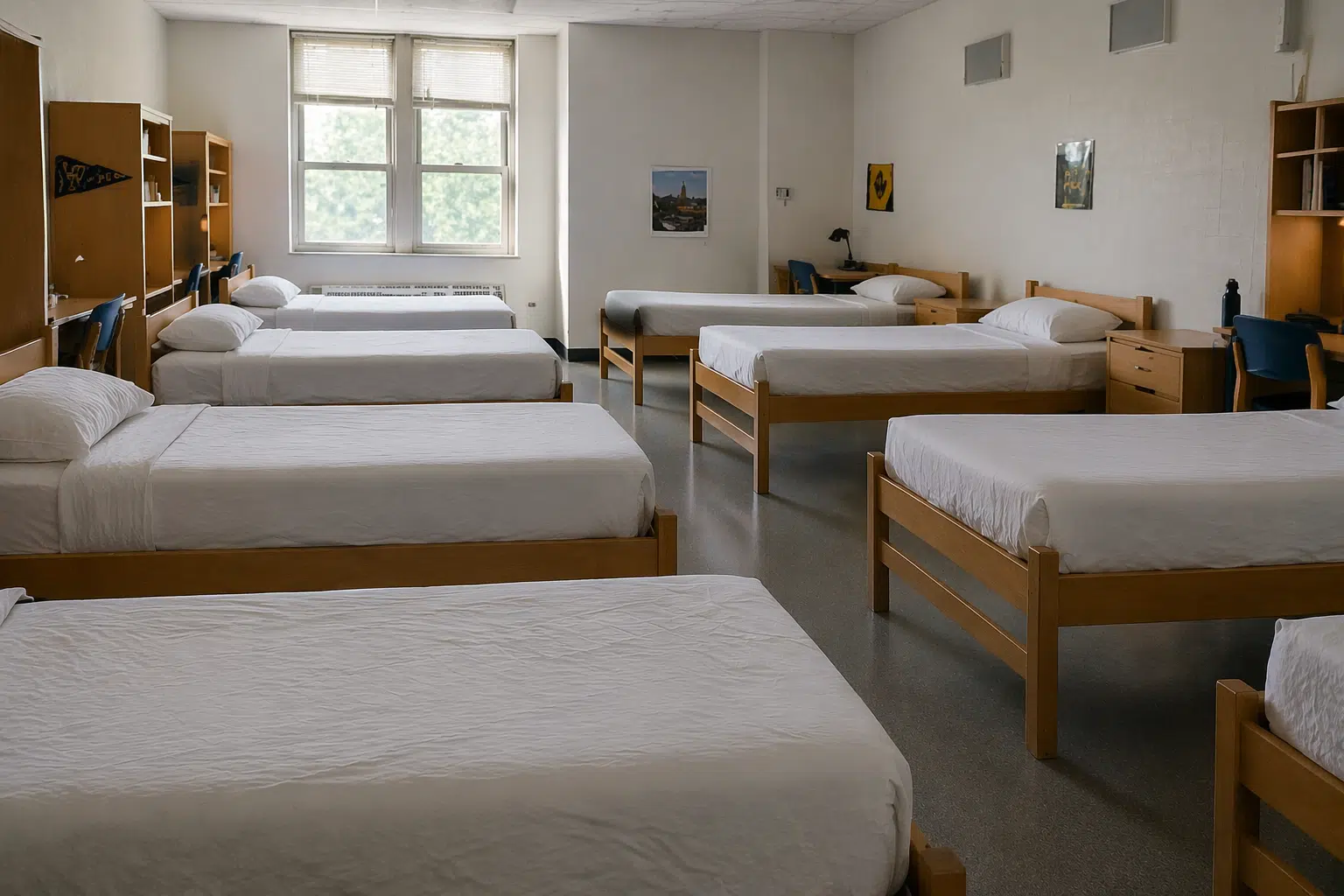
Student Housing Crises in South Africa: Why Safe Accommodation Matters
Every academic year should begin with hope, focus, and opportunity. However, for many students in South Africa, it begins with stress and uncertainty. Instead of preparing for lectures and campus life, many are still trying to find a safe place to live. As a result, housing pressure often becomes academic pressure.
Why Student Housing Crises Affect Academic Success
The student housing crises in South Africa are no longer only about a shortage of beds. They are also about safety, dignity, and student success. When students cannot find secure and reliable accommodation, they are often pushed into rushed decisions, private rentals, or poorly managed properties.
Safe accommodation gives students the stability they need to build routines, get proper rest, and stay focused on their studies. In contrast, unstable housing can lead to stress, missed lectures, long commutes, and difficulty concentrating. Because of this, poor housing conditions often affect academic performance as much as they affect daily wellbeing.
In other words, student accommodation should never be treated as a side issue. It plays a direct role in whether students can settle in, adapt, and succeed.
How Student Housing Crises Increase Safety Risks
At the same time, the housing shortage creates serious safety concerns. Many students, especially first-years, move into unfamiliar cities without understanding the local rental market. Therefore, they may be more vulnerable to fake listings, dishonest landlords, and misleading promises about secure housing.
Even when a room is available, it may still lack important safety features. For example, some properties do not have proper access control, visitor procedures, good lighting, or clear emergency plans. In addition, shared spaces with weak monitoring can increase the risk of theft, vandalism, and unauthorised access.
This is where the issue becomes even more serious. A student residence should be a place of rest and protection. Instead, many students end up in environments that increase anxiety rather than reduce it.
Why Better Security Is Part of the Solution
Solving the student housing crisis is not only about increasing the number of available rooms. It is also about improving the quality and safety of student accommodation. A secure residence should offer more than just a bed. It should create a stable environment where students can feel protected and supported every day.
For instance, practical security measures such as controlled entry points, CCTV coverage, visitor management, and after-hours response can make a real difference. These steps help reduce avoidable incidents and improve confidence among students, parents, and property operators alike.
You can explore more about this on our
Student Residence Security page.
What Student Accommodation Providers Should Do Next
Student accommodation providers should regularly assess how secure their properties really are. First, they should review entrances and visitor movement. Next, they should look at shared spaces, lighting, and after-hours risks. Finally, they should invest in security support that improves both resident safety and day-to-day control.
These steps do more than reduce risk. They also help build trust, strengthen reputation, and improve the overall resident experience. For local support, you can also visit our
Cape Town security services and
Johannesburg security services pages.
Final Thoughts
Ultimately, student housing should never be viewed as just an accommodation issue. It affects student safety, wellbeing, and academic success in very real ways. When accommodation is secure, students are better able to focus, settle in, and perform at their best. For providers in Cape Town and Johannesburg, Mtunzini Group offers tailored support to improve access control, reduce risk, and create safer student residences.
FAQs
1. Why is student housing such a major issue in South Africa?
Because demand often exceeds supply, many students are forced into overcrowded, unsafe, or poorly managed accommodation. As a result, their wellbeing and academic progress can both suffer.
2. How does safe accommodation help students succeed?
Safe accommodation supports rest, routine, focus, and peace of mind. Therefore, students are more likely to attend classes, study effectively, and perform better academically.
3. What security features should a student residence have?
A good student residence should have controlled access, proper lighting, visitor procedures, CCTV where needed, and a clear emergency response plan.