
Student Accommodation Safety & Security South Africa

Student Accommodation Safety and Security

Student Accommodation Safety and Security | What Parents and Operators Should Check First

Student accommodation safety and security is now a core decision factor for students, parents, landlords, and universities. The reason is simple. The first weeks of term bring heavy movement, new routines, unfamiliar areas, and expensive devices. As a result, weak site control can lead to theft, social engineering, and unauthorised access.

Student Accommodation Safety and Security for Parents

Parents usually ask different questions from students. Students often ask whether a property is affordable and convenient. By contrast, parents ask whether their child will be safe after dark, whether the building can keep strangers out, and whether a responsible person can help when something goes wrong. These concerns are practical. In other words, they are not overreactions.

Student Accommodation Safety and Security in the Wider Crime Environment

In South Africa, the concern is sharper because student housing often sits inside urban residential areas with real crime exposure. SAPS figures for the October to December 2025 quarter recorded high levels of property-related crime in both Gauteng and the Western Cape. These are not student-only figures. Even so, they still show the wider risk around many student housing sites. So, the real question is not whether a property has security. Instead, the real question is whether the security design matches the area and the resident profile.

Student Accommodation Safety and Security Starts with Access Control

First, check access control. Can residents enter with secure tags, coded systems, or monitored reception points? Is tailgating controlled, or can anyone follow someone through the main gate? Are visitors recorded and limited after hours? A building with stylish finishes but weak access discipline is not a secure building.

Instead, the basics matter more. Controlled entry, lock management, lighting, visible emergency contacts, and clear incident reporting all shape daily safety.

Student Accommodation Safety and Security Response Systems

Next, check the response system. If a student loses a tag at 10 pm, who helps? If there is a disturbance in a shared area, is there on-site supervision or only a phone number? DHET’s housing policy places student well-being and emergency support inside the broader student housing framework.

So, proper student accommodation safety and security should include response pathways, not just hardware. A camera that nobody monitors does not solve a late-night access breach.

Student Accommodation Safety and Security Needs Operational Discipline

Then look at operational discipline. Universities themselves are showing how serious this has become. UCT has reported on the scale of its off-campus accommodation system and the need for oversight around properties used by students. More importantly, public student housing policy makes it clear that providers must maintain standards, keep compliance records current, and support safe living conditions.

Therefore, student accommodation safety and security is no longer only about marketing language. Providers are judged on whether they can keep standards in place, document checks, and fix weaknesses quickly.

Security Beyond the Reception Desk

Parents should also check the route outside the building. Good student accommodation safety and security does not stop at reception. How well lit is the street? Is the walk to transport or campus predictable? Are there nearby shops or gathering points that create traffic at odd hours?

In Cape Town and Johannesburg especially, location risk can change from one street to the next. So, a decent building in the wrong area can still expose students to daily risk when they return with laptops, groceries, or phones in hand.

Why Student Accommodation Safety and Security Matters to Operators

Operators who want better occupancy and stronger retention should pay attention to this shift. Student accommodation safety and security now affects reputation, parent confidence, and referrals. However, the strongest properties are not always the ones with the most technology.

Instead, the strongest sites are the ones where security, student support, and building management work together. That means fast maintenance on broken locks, visible house rules, consistent visitor handling, and staff who know how to escalate risk early.

Final Thoughts

In short, student accommodation safety and security should be evaluated the same way you would evaluate any serious living environment. Start with prevention. Check entry control. Test response speed. Then look for clear accountability.

Parents are right to ask hard questions. Likewise, operators who answer them clearly will stand out in a competitive market.

For properties in Cape Town, Mtunzini Group provides student accommodation security tailored to the site, the residents, and the daily movement on the property.

If you need Johannesburg-specific support, visit our Student Residence Security page for more information.

Read More

Student Housing Crisis in South Africa


Student Housing Crises in South Africa: Why Safe Accommodation Matters

Every academic year should begin with hope, focus, and opportunity. However, for many students in South Africa, it begins with stress and uncertainty. Instead of preparing for lectures and campus life, many are still trying to find a safe place to live. As a result, housing pressure often becomes academic pressure.

Why Student Housing Crises Affect Academic Success

The student housing crises in South Africa are no longer only about a shortage of beds. They are also about safety, dignity, and student success. When students cannot find secure and reliable accommodation, they are often pushed into rushed decisions, private rentals, or poorly managed properties.

Safe accommodation gives students the stability they need to build routines, get proper rest, and stay focused on their studies. In contrast, unstable housing can lead to stress, missed lectures, long commutes, and difficulty concentrating. Because of this, poor housing conditions often affect academic performance as much as they affect daily wellbeing.

In other words, student accommodation should never be treated as a side issue. It plays a direct role in whether students can settle in, adapt, and succeed.

How Student Housing Crises Increase Safety Risks

At the same time, the housing shortage creates serious safety concerns. Many students, especially first-years, move into unfamiliar cities without understanding the local rental market. Therefore, they may be more vulnerable to fake listings, dishonest landlords, and misleading promises about secure housing.

Even when a room is available, it may still lack important safety features. For example, some properties do not have proper access control, visitor procedures, good lighting, or clear emergency plans. In addition, shared spaces with weak monitoring can increase the risk of theft, vandalism, and unauthorised access.

This is where the issue becomes even more serious. A student residence should be a place of rest and protection. Instead, many students end up in environments that increase anxiety rather than reduce it.

Why Better Security Is Part of the Solution

Solving the student housing crisis is not only about increasing the number of available rooms. It is also about improving the quality and safety of student accommodation. A secure residence should offer more than just a bed. It should create a stable environment where students can feel protected and supported every day.

For instance, practical security measures such as controlled entry points, CCTV coverage, visitor management, and after-hours response can make a real difference. These steps help reduce avoidable incidents and improve confidence among students, parents, and property operators alike.

You can explore more about this on our
Student Residence Security page.

What Student Accommodation Providers Should Do Next

Student accommodation providers should regularly assess how secure their properties really are. First, they should review entrances and visitor movement. Next, they should look at shared spaces, lighting, and after-hours risks. Finally, they should invest in security support that improves both resident safety and day-to-day control.

These steps do more than reduce risk. They also help build trust, strengthen reputation, and improve the overall resident experience. For local support, you can also visit our
Cape Town security services and
Johannesburg security services pages.

Final Thoughts

Ultimately, student housing should never be viewed as just an accommodation issue. It affects student safety, wellbeing, and academic success in very real ways. When accommodation is secure, students are better able to focus, settle in, and perform at their best. For providers in Cape Town and Johannesburg, Mtunzini Group offers tailored support to improve access control, reduce risk, and create safer student residences.

FAQs

1. Why is student housing such a major issue in South Africa?

Because demand often exceeds supply, many students are forced into overcrowded, unsafe, or poorly managed accommodation. As a result, their wellbeing and academic progress can both suffer.

2. How does safe accommodation help students succeed?

Safe accommodation supports rest, routine, focus, and peace of mind. Therefore, students are more likely to attend classes, study effectively, and perform better academically.

3. What security features should a student residence have?

A good student residence should have controlled access, proper lighting, visitor procedures, CCTV where needed, and a clear emergency response plan.


Read More

Student Residence Safety Checklist

Student Residence Safety Checklist

Student Residence Safety Checklist South Africa

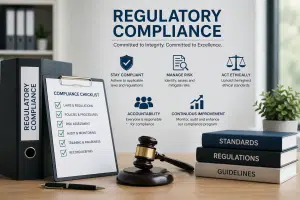
Choosing student accommodation can feel overwhelming. Price, location, and room size all matter. However, safety should never sit in the background. A strong student residence safety checklist helps families check how a property works each day.

Many student residences look good online. Yet photos do not show how well a site controls access, handles visitors, or responds after hours. Because of this, parents and students need a clear student residence safety checklist before making a final decision. A student residence should provide more than a room. It should also provide a safer and more controlled living environment.

Student Residence Safety Checklist for the Main Entrance

First, assess the main entrance. If the front gate, reception point, or entry door is poorly managed, the rest of the property already has a problem. A residence should know who comes in, who leaves, and who should not be on site.

Look at whether the entrance is staffed, monitored, or controlled by a proper access system. Also check whether visitors must sign in and whether residents can report unknown persons easily. If people can walk through the main entrance without challenge, the property has a weak point from the start.

Student Residence Safety Checklist for Visitor Control

Visitor handling matters in student housing because shared buildings have regular movement. For example, friends, delivery drivers, contractors, and unknown persons can all arrive at different times of day. Therefore, the residence should have clear rules for guest access.

Ask whether visitors are screened, whether they need approval, and whether after-hours visits are limited. In addition, find out if staff actually enforce these rules. A policy on paper means very little if nobody applies it in practice.

Student Residence Safety Checklist for Lighting

Next, check the lighting. This is one of the easiest things to review. It is also one of the most important. Entrances, walkways, parking areas, staircases, and outside gathering points should all be well lit. Poor lighting gives cover to opportunistic crime and also makes students feel unsafe when returning home at night.

So, walk around the property if possible. Do not only view the inside. Instead, look at the route from the gate to the entrance and from the street to the building. A residence may look modern during the day, yet feel very different at night.

Student Residence Safety Checklist for Room Security

A student residence needs strong external and internal control. The building may have a secure gate, but room-level security matters too. Bedroom doors, shared corridors, stairwells, and internal access points all need attention.

Check whether bedroom locks look secure and whether shared areas are visible and well maintained. Also ask how management handles lost keys, tags, or access cards. If a student loses access credentials, the residence should act quickly. Otherwise, other residents may face unnecessary risk.

Student Residence Safety Checklist for CCTV and Monitoring

CCTV can add value, but only when it is placed correctly and supported by proper monitoring. Cameras at entrances, passages, and shared areas can improve oversight. However, cameras alone do not solve weak management.

Ask where cameras are placed, whether they cover main access points, and who reviews incidents when something happens. In the same way, ask whether the residence has after-hours support or off-site monitoring. A visible camera system helps, but a working response process matters more.

Student Residence Safety Checklist for After-Hours Procedures

A student residence should have a clear process for evenings, weekends, and emergencies. Many incidents happen outside office hours. Because of this, families should ask who is available at night and what students must do when they need help.

Check whether the residence has a reporting line for suspicious activity, disturbances, or urgent problems. Also ask how quickly staff respond to after-hours issues. If management has no clear answer, that is a warning sign.

Student Residence Safety Checklist for Site Rules

A safer residence usually has clear rules and applies them consistently. This does not mean the property should feel harsh or restrictive. Instead, it should have structure. Rules around visitors, noise, shared spaces, access, and reporting help the site run more smoothly.

Students need independence, but they also need a living environment with boundaries. When staff enforce site rules properly, the residence becomes easier to manage and safer to live in. By contrast, weak rule enforcement often leads to repeated problems.

Student Residence Safety Checklist for Property Condition

The condition of the building often tells you how the site is managed. For instance, broken lights, damaged gates, loose locks, poor upkeep, and untidy shared areas can all point to weak control. Good management usually shows in small details.

So, look at how clean and organised the common areas are. Then look at the state of doors, windows, fences, and access points. A residence that ignores maintenance issues may also ignore safety issues.

Student Residence Safety Checklist Before You Pack

Before packing, students should confirm what the residence already provides. Most university and college residences include basic furniture such as a bed, mattress, desk, chair, wardrobe, and curtains. In some cases, the residence may also provide Wi-Fi, shared kitchens, and laundry facilities. However, some buildings run on a self-catering basis, so students need to check the setup before arrival.

For this reason, students should read the residence acceptance letter carefully or contact the residence office directly. This helps them avoid bringing unnecessary items. It also helps them identify what essentials they still need to buy before move-in day.

Student Residence Safety Checklist for Residence Rules

Safety should be a priority from the start. Many student residences do not allow items such as candles, heaters, irons, and certain cooking appliances because they increase fire and safety risks. Therefore, students should check the residence rules early so they do not arrive with items they cannot keep in the room.

It is also a good idea to use lockable storage for valuables. Important items such as passports, identity documents, cash, bank cards, and small electronics should not be left unsecured in shared living spaces. In addition, first-year students should save important contact numbers on their phones, including campus security, residence staff, and residence managers.

Student Residence Safety Checklist for Moving In

Moving into residence can feel overwhelming, especially for students leaving home for the first time. Feeling anxious, unsettled, or homesick in the first few weeks is normal. However, students usually adjust more easily when they stay involved in orientation activities, join student groups, and keep in contact with family or trusted friends.

A few simple steps can also make the move smoother. For example, label your belongings, arrive early on move-in day, and use a checklist so that nothing important is forgotten. Most importantly, remember that residence life is not only about having a place to stay. It is also about building independence, forming friendships, and creating a stronger base for academic success.

Final Student Residence Safety Checklist

In the end, a useful student residence safety checklist should cover more than the room itself. It should cover access control, visitor handling, lighting, room security, CCTV, after-hours response, site rules, and upkeep. These checks help students and parents make a better decision before signing an agreement.

A strong student residence safety checklist makes safer student housing easier to judge. Ask practical questions. Look closely at the building. Then test how management responds. A good residence will answer clearly.

For properties in Cape Town, Mtunzini Group provides student accommodation security tailored to the site, the residents, and the daily movement on the property.

If you need Johannesburg-specific support, visit our Student Residence Security page for more information.

Read More

Undercover Services South Africa | Theft, Fraud & Misconduct

Undercover Services South Africa | Find the Truth About Theft, Fraud and Misconduct

Undercover Services South Africa for Corporate and Commercial Businesses

Undercover services South Africa workplace investigations

Undercover services South Africa help businesses uncover the truth when stock, cash, or control starts slipping without clear proof. Mtunzini Group provides discreet undercover investigations for companies facing theft, fraud, collusion, misconduct, and hidden workplace risk.

We place trained operatives inside the business environment to gather lawful intelligence, verify facts, and expose what normal supervision may miss. As a result, management moves from suspicion to evidence.

Our undercover services support warehouses, retail operations, offices, factories, logistics businesses, and multi-site companies across South Africa.

Why Businesses Use Undercover Services South Africa

Internal losses often happen quietly. Stock disappears in small amounts. Cash shortages are explained away. In some cases, staff collude with outsiders or abuse weak controls.

That is why undercover investigations matter. An operative can work inside the environment without drawing attention. Therefore, your business gains visibility into behaviour, risk patterns, and control failures that may otherwise stay hidden.

  • Identify employee theft and stock losses
  • Detect fraud and collusion
  • Expose policy breaches and misconduct
  • Reveal operational weaknesses
  • Help management act on verified facts

Our Undercover Services South Africa

Internal Theft Investigations

We investigate shrinkage, unauthorised removals, cash losses, false returns, and dishonest employee activity.

Fraud and Collusion Detection

Our operatives gather intelligence on supplier fraud, bribery, collusion, and coordinated losses.

Workplace Misconduct Investigations

We identify policy breaches, absenteeism abuse, intimidation, time theft, and other misconduct.

Warehouse and Logistics Intelligence

We investigate losses linked to dispatch, receiving, loading bays, drivers, route abuse, and inventory movement.

How Our Undercover Services South Africa Work

Mtunzini Group follows a simple and discreet process. First, we assess the risk. Then, we define the scope. After that, we deploy the operative, gather intelligence, and provide reporting that helps you decide the next step.

  1. Risk Briefing: We define the issue and required outcome.
  2. Discreet Deployment: The operative blends into the workplace naturally.
  3. Intelligence Gathering: Behaviour, patterns, and weak controls are recorded.
  4. Client Reporting: You receive clear findings and actionable intelligence.

Legal and Ethical Undercover Services South Africa

All investigations are conducted within strict legal and professional boundaries. Mtunzini Group undercover investigators are never allowed to break the law to obtain information.

Our approach aligns with South African legal standards, PSIRA, and our own regulatory compliance standards.

Frequently Asked Questions

What can undercover investigators legally do?

Mtunzini Group’s undercover investigators operate strictly within South African law and PSIRA regulations. They gather information through lawful methods such as observing workplace activity, identifying suspicious behaviour, and recording factual findings. In addition, they help uncover patterns of theft, fraud, collusion, and misconduct.

Are your undercover services PSIRA compliant?

Yes. Mtunzini Group’s undercover services are aligned with PSIRA regulations and South African legal standards. Therefore, every investigation is carried out professionally, ethically, and within the law.

Can undercover investigations uncover theft and fraud?

Yes. Undercover investigations are effective in uncovering internal theft, fraud, supplier collusion, and workplace misconduct. Because operatives work discreetly, they can identify real behaviour and hidden patterns inside the business.

Stop hidden losses before they damage your business further

If you suspect theft, collusion, fraud, or misconduct, now is the time to act. Mtunzini Group delivers discreet undercover services that help businesses uncover the truth and protect profit.

Hire Undercover Services Today
Contact Mtunzini Group

Read More

Body Worn Cameras

Security Technology

Body-Worn Cameras | Cutting Edge Technology

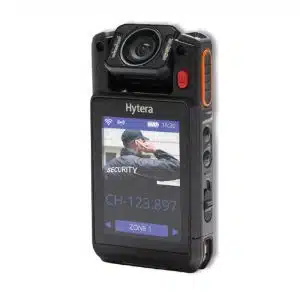
Body-worn cameras are a valuable part of modern security guarding. At Mtunzini Group, body-worn cameras support our security services, improve reporting, and strengthen accountability across different site environments.

In addition, these devices are easy for patrol teams to use and capture clear, court-ready evidence. As a result, professionalism improves, complaints may drop, and incident resolution becomes more reliable. The video quality is clear, the devices are dependable, and the battery life supports full patrol shifts.

Hire Professional Security Services with Body-Worn Cameras

Body-Worn Cameras

Table of Contents

Body-worn cameras, AI tools, and modern security technology now play a major role in risk prevention. Today, security needs more than a physical presence. Instead, strong guarding also depends on visibility, recorded evidence, and real-time decision-making.

At Mtunzini Group, we focus on accountability and data protection. Therefore, all footage collected from wearable devices is managed on a secure, POPI-compliant platform. This approach supports reliable storage, controlled handling, and better oversight of sensitive information.

Why Are Body-Worn Cameras Important for Security?

Body-worn cameras improve transparency in private security operations. As a result, they help reduce disputes and support accurate reporting. In addition, they provide clear evidence during incidents. This protects both the officer and the client. For businesses that rely on security guards in Cape Town CBD, wearable footage adds another layer of accountability and control.

Improved Video Connectivity in Modern Security

Security communication has evolved. In the past, systems relied mainly on voice. Now, modern solutions include video and data transmission. Because of this shift, guards can respond better in complex environments.

Video Transmission and Integrated Systems

With live video access, control rooms can see what is happening in real time. As a result, supervisors can guide guards with better accuracy. In many cases, this improves response times and site awareness. It also helps teams manage incidents with more confidence and clearer information.

Integrating Body-Worn Cameras With AI Technology

AI technology adds another layer of protection. For example, systems can detect unusual behaviour or identify risks early. In some cases, alerts are triggered automatically. This allows a faster response and better coordination. As a result, security teams can act before situations escalate and become harder to control.

Applications Across Different Domains

Body-worn cameras are used across many sectors. In healthcare, they support staff safety and incident tracking. In retail, they help reduce theft and improve monitoring. Similarly, in commercial spaces, they assist with reporting and investigations.

These systems also support residential estates and industrial sites. In these environments, they improve visibility and strengthen control. They also help supervisors review incidents more accurately. As a result, teams can respond with more clarity and consistency.

For clients comparing broader protection options, these tools work best as part of layered security services in Cape Town that combine trained personnel with technology and active supervision.

Safety Features of Professional Body-Worn Cameras

Reliable communication is essential in any security operation. Therefore, modern systems include several key features designed to improve safety and performance:

  • Secure Data: Advanced encryption such as AES 256-bit helps protect video and communication data from the moment recording begins.
  • GPS Location Services: Dispatchers can track guards in real time. This helps with zone visibility, escalation, and response coordination.
  • Emergency Button: A built-in panic button can immediately alert the command centre with the user’s identity and location.
  • Improved Audio: Noise-cancelling technology reduces background sound and improves audio clarity in loud environments.

Mtunzini Group Views on Body-Worn Cameras

Security risks in South Africa remain high. For this reason, businesses need more structured protection. Mtunzini Group delivers risk-based solutions supported by trained guards and smart technology.

By using body-worn cameras, we improve accountability across different environments. These include corporate sites, warehouses, estates, and education facilities. As a result, clients gain better visibility and stronger control.

The Deterrence Factor in Modern Guarding

The presence of a body-worn camera changes behaviour. In many cases, people act more responsibly when they know they are being recorded. This helps prevent incidents before they escalate. It also reduces conflict and improves site control. In turn, clients gain more confidence in the service provided on site.

Frequently Asked Questions

How long do the device batteries typically last?

Battery life varies by model. However, most professional units run between 8 and 12 hours. Some advanced models also support battery swaps for longer shifts.

Can wearable tech help with repairs?

Yes. Where broadband networks are available, staff can stream live video to technical experts. This allows quicker advice during maintenance or fault-finding work.

Do body-worn cameras work in remote areas?

Yes. In blind spots or low-coverage areas, some systems can use temporary network solutions or direct device-to-device communication to maintain support.

Conclusion on Body-Worn Camera Technology

Body-worn cameras are now a key part of modern security. They improve accountability, support faster decisions, and help teams respond with better information. When combined with trained guards and the right systems, they strengthen protection across commercial and private environments.

Contact Mtunzini Group for Specialised Security Services

Talk to us about security solutions built around trained personnel, smart technology, and risk-based protection. Reach out by email at info@mtunzinigroup.com.

Read More
  • 1
  • 2
Verified by MonsterInsights