

Student Accommodation Safety and SecurityAll Pages
Student Accommodation Safety and Security | What Parents and Operators Should Check First
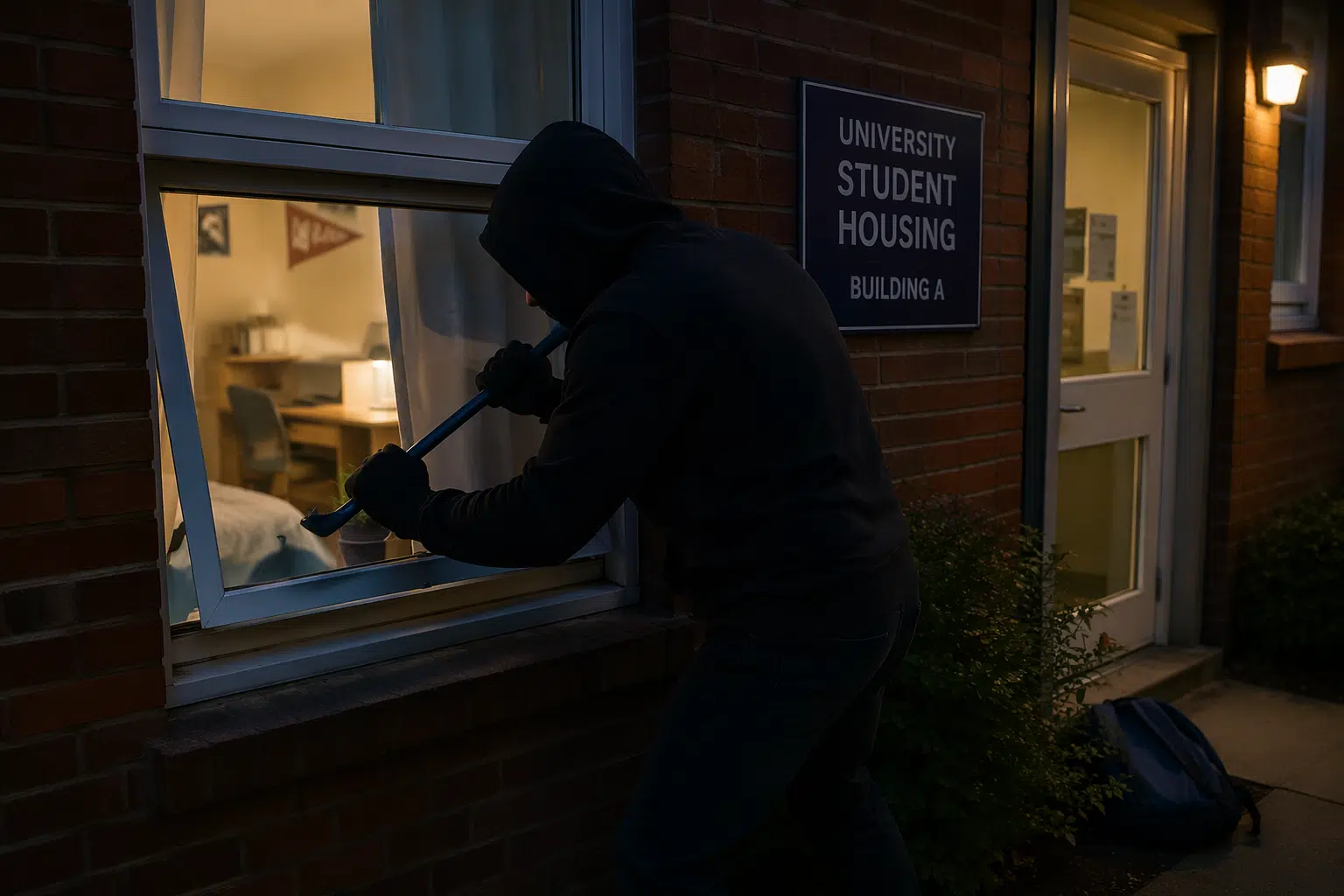
Student accommodation safety and security is now a core decision factor for students, parents, landlords, and universities. The reason is simple. The first weeks of term bring heavy movement, new routines, unfamiliar areas, and expensive devices. As a result, weak site control can lead to theft, social engineering, and unauthorised access.
Student Accommodation Safety and Security for Parents
Parents usually ask different questions from students. Students often ask whether a property is affordable and convenient. By contrast, parents ask whether their child will be safe after dark, whether the building can keep strangers out, and whether a responsible person can help when something goes wrong. These concerns are practical. In other words, they are not overreactions.
Student Accommodation Safety and Security in the Wider Crime Environment
In South Africa, the concern is sharper because student housing often sits inside urban residential areas with real crime exposure. SAPS figures for the October to December 2025 quarter recorded high levels of property-related crime in both Gauteng and the Western Cape. These are not student-only figures. Even so, they still show the wider risk around many student housing sites. So, the real question is not whether a property has security. Instead, the real question is whether the security design matches the area and the resident profile.
Student Accommodation Safety and Security Starts with Access Control
First, check access control. Can residents enter with secure tags, coded systems, or monitored reception points? Is tailgating controlled, or can anyone follow someone through the main gate? Are visitors recorded and limited after hours? A building with stylish finishes but weak access discipline is not a secure building.
Instead, the basics matter more. Controlled entry, lock management, lighting, visible emergency contacts, and clear incident reporting all shape daily safety.
Student Accommodation Safety and Security Response Systems
Next, check the response system. If a student loses a tag at 10 pm, who helps? If there is a disturbance in a shared area, is there on-site supervision or only a phone number? DHET’s housing policy places student well-being and emergency support inside the broader student housing framework.
So, proper student accommodation safety and security should include response pathways, not just hardware. A camera that nobody monitors does not solve a late-night access breach.
Source tags
Student Accommodation Safety and Security Needs Operational Discipline
Then look at operational discipline. Universities themselves are showing how serious this has become. UCT has reported on the scale of its off-campus accommodation system and the need for oversight around properties used by students. More importantly, public student housing policy makes it clear that providers must maintain standards, keep compliance records current, and support safe living conditions.
Therefore, student accommodation safety and security is no longer only about marketing language. Providers are judged on whether they can keep standards in place, document checks, and fix weaknesses quickly.
Source tags
Security Beyond the Reception Desk
Parents should also check the route outside the building. Good student accommodation safety and security does not stop at reception. How well lit is the street? Is the walk to transport or campus predictable? Are there nearby shops or gathering points that create traffic at odd hours?
In Cape Town and Johannesburg especially, location risk can change from one street to the next. So, a decent building in the wrong area can still expose students to daily risk when they return with laptops, groceries, or phones in hand.
Why Student Accommodation Safety and Security Matters to Operators
Operators who want better occupancy and stronger retention should pay attention to this shift. Student accommodation safety and security now affects reputation, parent confidence, and referrals. However, the strongest properties are not always the ones with the most technology.
Instead, the strongest sites are the ones where security, student support, and building management work together. That means fast maintenance on broken locks, visible house rules, consistent visitor handling, and staff who know how to escalate risk early.
Final Thoughts
In short, student accommodation safety and security should be evaluated the same way you would evaluate any serious living environment. Start with prevention. Check entry control. Test response speed. Then look for clear accountability.
Parents are right to ask hard questions. Likewise, operators who answer them clearly will stand out in a competitive market.
For properties in Cape Town, Mtunzini Group provides student accommodation security tailored to the site, the residents, and the daily movement on the property.